
SIMONE LEAMON
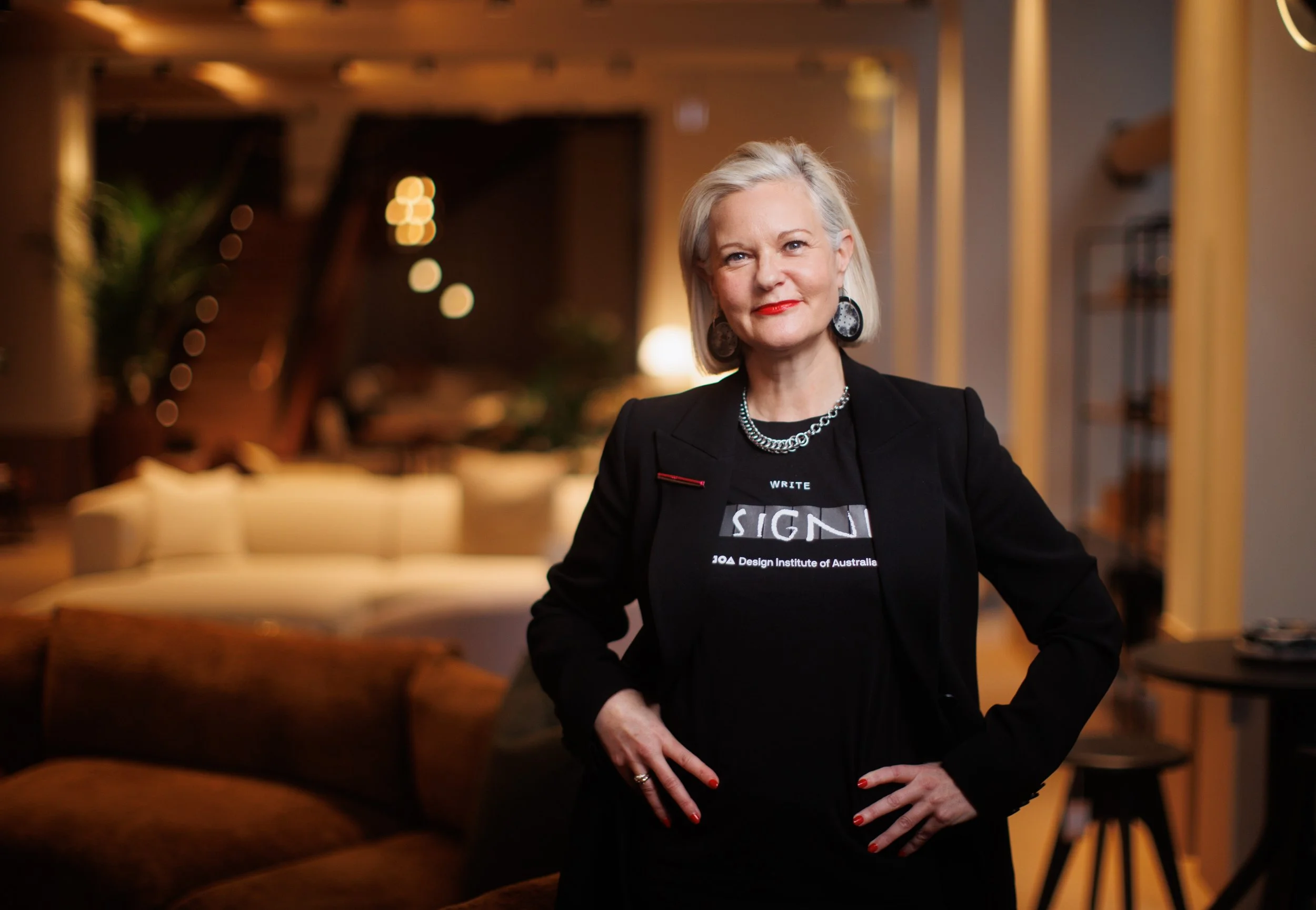
Simone LeAmon is CEO of Australia’s peak body for designers, the Design Institute of Australia. She comes to this role with decades of personal experience working as a designer, and as a fierce advocate for designers. Following 10 years with the NGV as Hugh D.T. Williamson Curator of Contemporary Design and Architecture, Simone has joined the DIA as CEO, a role that is complex, challenging, rewarding and most importantly, impactful.
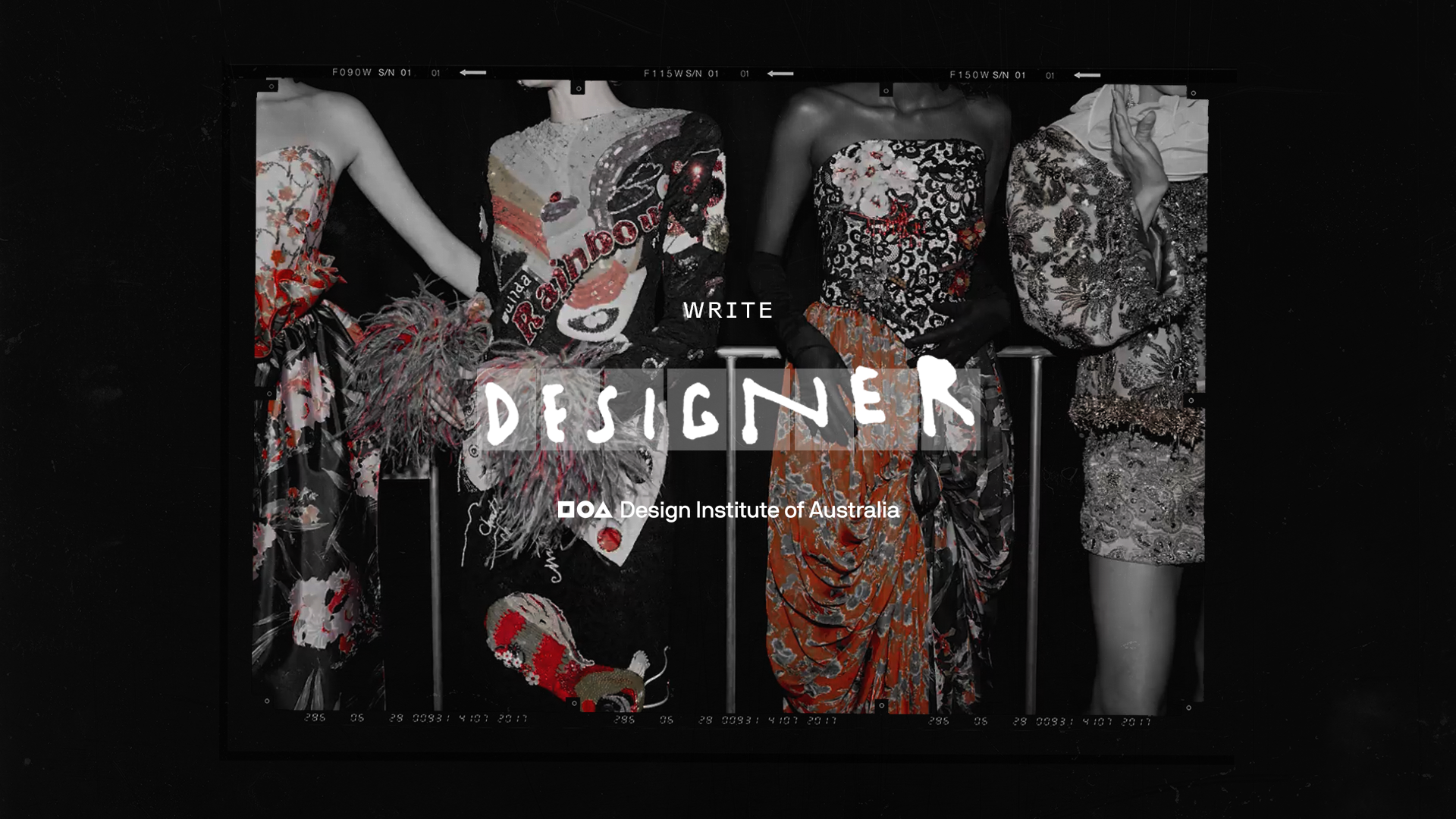
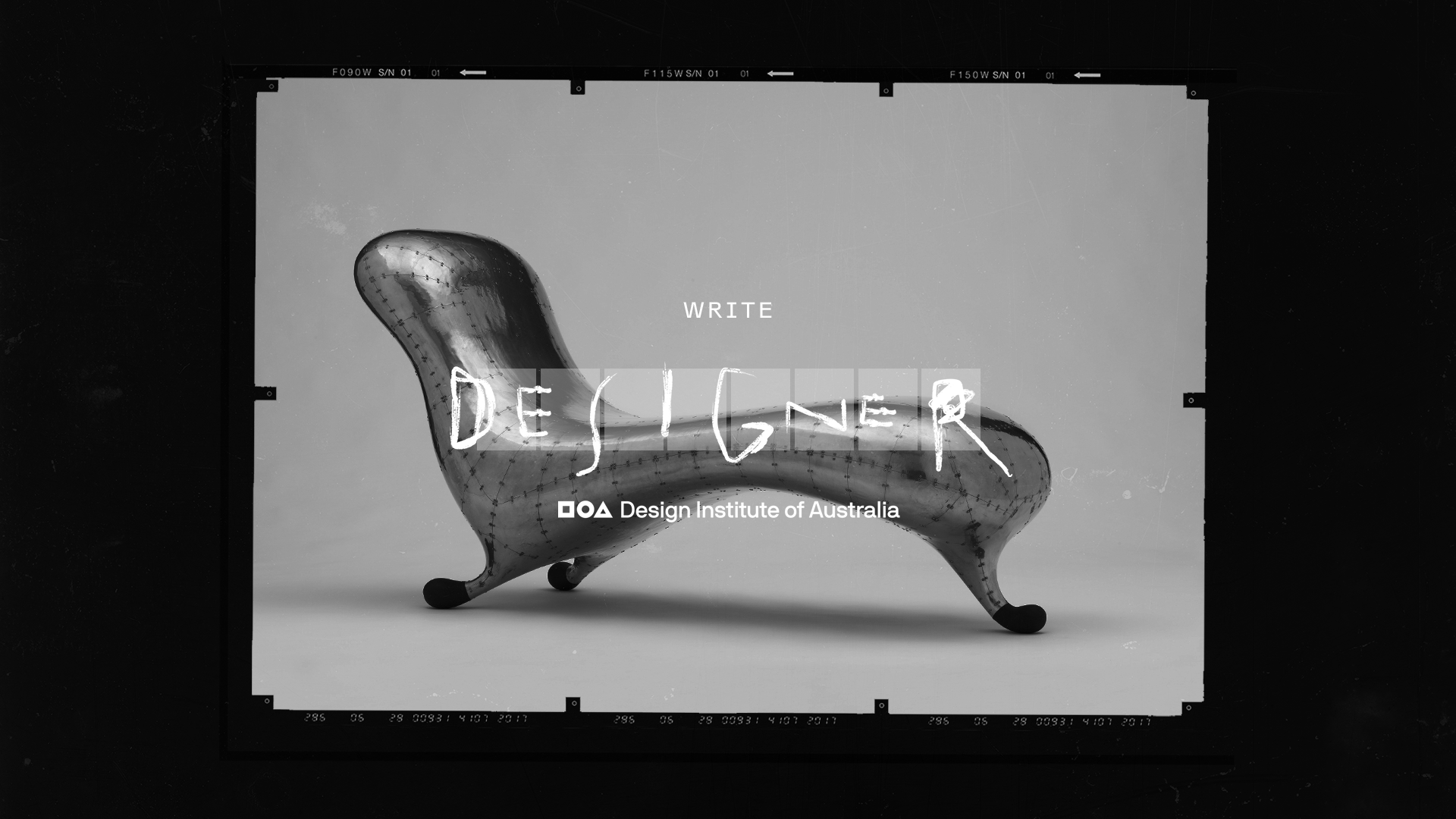
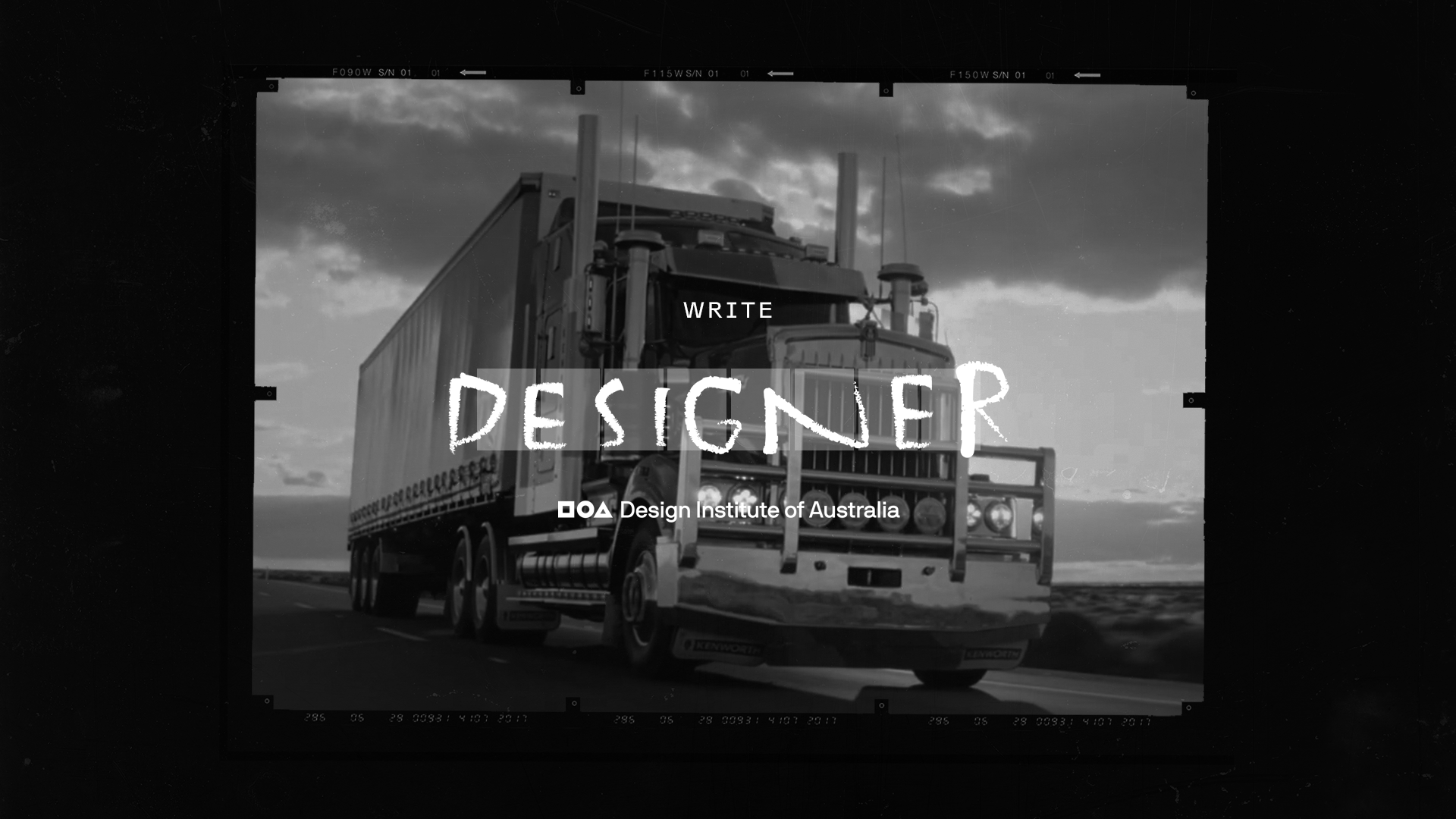
Simone was the driving force behind the DIA’s recent "Write DESIGNER" campaign, which called on designers to write their occupation in the 2026 Census. The campaign was aimed at making Australia's design workforce more visible and better measured, and is just the beginning of her vision for Australian design’s future. We catch up with the powerhouse and the woman, for this latest I AM WOMAN interview.
If you could describe yourself in 5 words, what would they be?
Creative. Design advocate. Strategic. Devoted. Loyal. I’m probably the most extrovert introvert you could ever meet. I get so determined and focused that I perhaps move too swiftly before I calculate all the risks. Kindness matters to me, I do what I do because I ultimately care about things deeply.
How do you like to spend your time outside of work?
With my partner, with my beloved poodle, and I love nothing more than going out and exploring the world. I live next door to the Queen Victoria Market, and when I’m not doing the business, you can probably find me at the Vic Market. That’s my local, my backyard, and I’m there most weekends.
How does design imbue your life day-to-day?
Home for me is a repository of things that have been designed and made by people I love and people I respect. So, it’s an expression of what excites me. At the end of the day, it’s good old-fashioned human creativity. … I have very present memories of how the world around me was designed and how that impacts or shapes the way we lived. I realised [early on] that I could design my own world by designing and making my own clothes, and I realised design would always be part of my world because it allowed me to find a place in the world where I could feel at home.
Design is this extraordinary capability to shape the world, whether it be your own world or the world of others. But as I have gotten older, it’s about directing that: how, for who, why, with what, and to what end.
Which global city fits your style and aesthetic most, and why?
Melbourne. It has to be Melbourne. I spent a large part of my life trying to create a life for myself in Milan. On and off over a decade, I kept being spat out, like a deal wouldn’t come off, or there was some reason I had to come home. At the end of 2007 I realised it was time to really commit to Melbourne. … I realised, well, wouldn’t it be remarkable for Melbourne to host a design community, a profession here that felt like it didn’t have to go overseas to validate itself? If I could play a role in uplifting and transforming that space, so that the future me didn’t feel like they had to go to Milan to create or prove themselves. Wouldn’t it be remarkable?
When it comes to consuming culture, what are the new directionS that are inspiring you?
What I find extraordinary is at present there is a recognition of creative practitioners that design and produce onshore in limited edition, one-off, batch production … I am concerned that it’s a trend, and I think we need to start talking about it as culture in order to sustain it, so it has an enduring legacy. We are a producer, and not a consuming design culture.
What is a cause that lives close to your heart?
I love facilitating engagement between people and relationships. I really want to be in a position where I can foster and facilitate others to live their best life, and if that means them being able to live their creative life – then live their creative life. That’s what drives me. I love facilitating connection and collaboration and engagement, and ultimately just trying to [support] all of those dear creative souls that feel lonely or suffer from anxiety and isolation … reassure them that there’s a place for them.
tell us about your vision for design in Australia, and the values that underpin your work as CEO of the Design Institute of Australia (DIA)?
My vision is for the DIA to be the peak professional body for all designers … a peak body that broadly, the design profession respects and is committed to. So, you’ve got to lead with values, and a peak body needs to respect professionals, and professionals need to respect the peak body.
[Ultimately] you are supporting your peak body to be as powerful as it can be [so] design can have a seat at the table when policy is discussed. We are now in a position where there is a [dedicated ‘designer’] group in the Australian Bureau of Statistics, that ensures all design professionals are now captured, because the DIA had been making those submissions for decades. … That’s been quiet, tedious, technical work. It requires relationships with the bodies that you advocate and do lobby work with. This is a world which needs to be navigated with sophistication and finesse and consistency and presence. The DIA is the only body, the only association which is positioned to do it [for designers in Australia].
I hope for a time where every single designer in the country does not think twice about supporting their peak body, because it is only with sufficient revenue that a peak body can perform its work for a sector [and] remain independent from government.
When times are good, you need to support your peak body [because] that’s when your peak body can do the research, invest in membership benefits, do all the things that – when the times get tough – you can draw on. I understand my job is to make advocacy so sexy that every designer wants to support it.
If you didn't end up in your current career, what would be your other calling? Why?
Yes, I wanted to be an architect. When I was very young, before I could understand the trials and tribulations of running a practice. I observed through my [architect] father, the highs and the lows and they were in equal measure awful and wonderful.
I wanted to be Australia's next Jenny Kee and be a great fashion designer because I saw more freedom in being a fashion designer, hence making my clothes.
For about a decade, I went on a self-directed journey of designing, making, and producing what I wanted. And along the way, I met [artist and renowned jeweller] Susan Cohn, and then I did my master's degree in industrial design. It was about building capacity. So as the creative, I knew what I was capable of and how I would direct it.
I also wanted to be a pop star. I wanted to be a performer. I was always forming girl bands. Perhaps the solo career of singing out there with the microphone in my hand somehow didn’t feel as rewarding as playing with the band. I often sit back and think, it was the [act of] creating together.
I Am Woman was designed to inspire the future of women in business, so with that in mind, if you could give one piece of advice to young females, what would it be?
Take some comfort that a career or a life spent in service of a vocation or a profession is not linear. Just accept that there’ll be some roundabouts and detours. Try to understand what drives you, because then you know what to say no to.