HELEN KONTOURIS
Helen Kontouris is an Australian designer of global repute. Since founding her studio in 2001, Helen has become a luminary of industry, recognised for cultivating a culture of process and creativity through her studio and practice. She is also the designer of KFive's Petra collection, a versatile family of furnishings that are humanistic in principle and take their soft, inviting curves from the time-smoothed forms of stones and pebbles.

If you could describe yourself in 5 words, what would they be?
Curious, considered, intuitive, ambitious and resilient.
How do you like to spend your time outside of work?
With family and friends, travelling, eating beautiful food, visiting galleries and noticing the small details that shape daily life.
How does design influence your life day-to-day?
Design shapes how I move through the world, from the way I dress and cook to how I notice light, material, proportion and atmosphere.
Which global city fits your style and aesthetic most, and why?
Milan, because it holds heritage, elegance, experimentation and craft in a way that feels both cultured and alive.
When it comes to consuming culture, what are the new direction that are inspiring you?
I'm inspired by interiors that feel emotional rather than styled, fashion that carries heritage with ease, and food culture that values ritual, locality and beauty.
What is a cause that lives close to your heart?
Supporting women to trust their creative intelligence, back themselves commercially and take up more space in business and design.
The I Am Woman series was created to inspire and put the spotlight on women in business. If you could you give one piece of advice to young women, what would it be?
Do not wait until you feel fully ready, because confidence often arrives after you begin.
If you didn't end up in your current career, what would be your other calling?
I would likely be working somewhere between art, interiors and storytelling, because I have always been drawn to the emotional life of objects and spaces. Do not wait until you feel fully ready, because confidence often arrives after you begin.
Building legacy through shared values
What do you believe are the imperatives of our time, and if you were leader for a day, what would be top of your agenda?
I believe one of the great imperatives of our time is to return value to things that are made with care. We are living in a culture of speed, excess and disposability, where objects are often produced, consumed and discarded before they have had the opportunity to become part of someone's life.
If I were leader for a day, I would place long-term thinking at the centre of decision making. Not as a slogan, but as a practical requirement across design, business, manufacturing, education and the built environment. We need to ask better questions about what we create, how long it should last, who it serves, and what remains after its first use.
What are two things you believe will improve sustainability, globally?
The first is designing fewer, better things. Sustainability is often spoken about through materials alone, but the most sustainable object is often one that remains useful, repairable, loved and relevant for a long period of time.
The second is changing our cultural relationship with newness. If we continue to celebrate constant replacement, better materials alone will never be enough. We need to design products, interiors and systems that can adapt, be maintained and carry value across time.
How are you using your work to implement change and create positive impact?
Through my work, I'm interested in creating furniture and objects that supports longevity, both materially and emotionally. That means designing pieces that are not overly trend-driven, that can live across different interior settings, and that feel considered enough to be kept.
I'm also focused on local manufacturing, reducing unnecessary complexity where possible, and developing collections that can be repaired, reconfigured or extended, rather than replaces. For me, sustainability is not only about what something is made from. It is also about whether it earns its place in people's lives over time.
Why is learning important and what is the best learning experience you ever had?
Learning keeps the work alive. It stops you from repeating yourself and keeps you open to better ways of seeing, making and thinking.
Some of my most valuable learning experiences have come through working with manufacturers and makers. There is a kind of intelligence in the making process that cannot be fully understood from drawings alone. You learn where an idea holds, where it needs to soften, and where the material is asking for a more considered response.
The significance and impact of good design
Tell us about Petra and how this collection enhances people's lives?
Petra is a lounge collection inspired by the softened forms of stones and pebbles, and by the way natural objects can bring calm into a space. It was designed to feel sculptural, but also deeply liveable.
I see Petra enhancing people's lives by offering a place to pause, gather and feel at ease. In residential interiors, it can bring warmth, softness and a feeling of retreat. In workplace settings, it can support informal conversation, waiting, collaboration or quiet moments between meetings. In education, public and civic environments, it can create more human places to sit, connect and belong.
Petra has been designed to adapt across these different contexts without losing its character. Its lounge collection format allows it to respond to the scale and rhythm of a space, from an intimate home to a gallery, campus, workplace, hotel, cultural institution or public interior. Its form is generous but not heavy, sculptural but still welcoming.
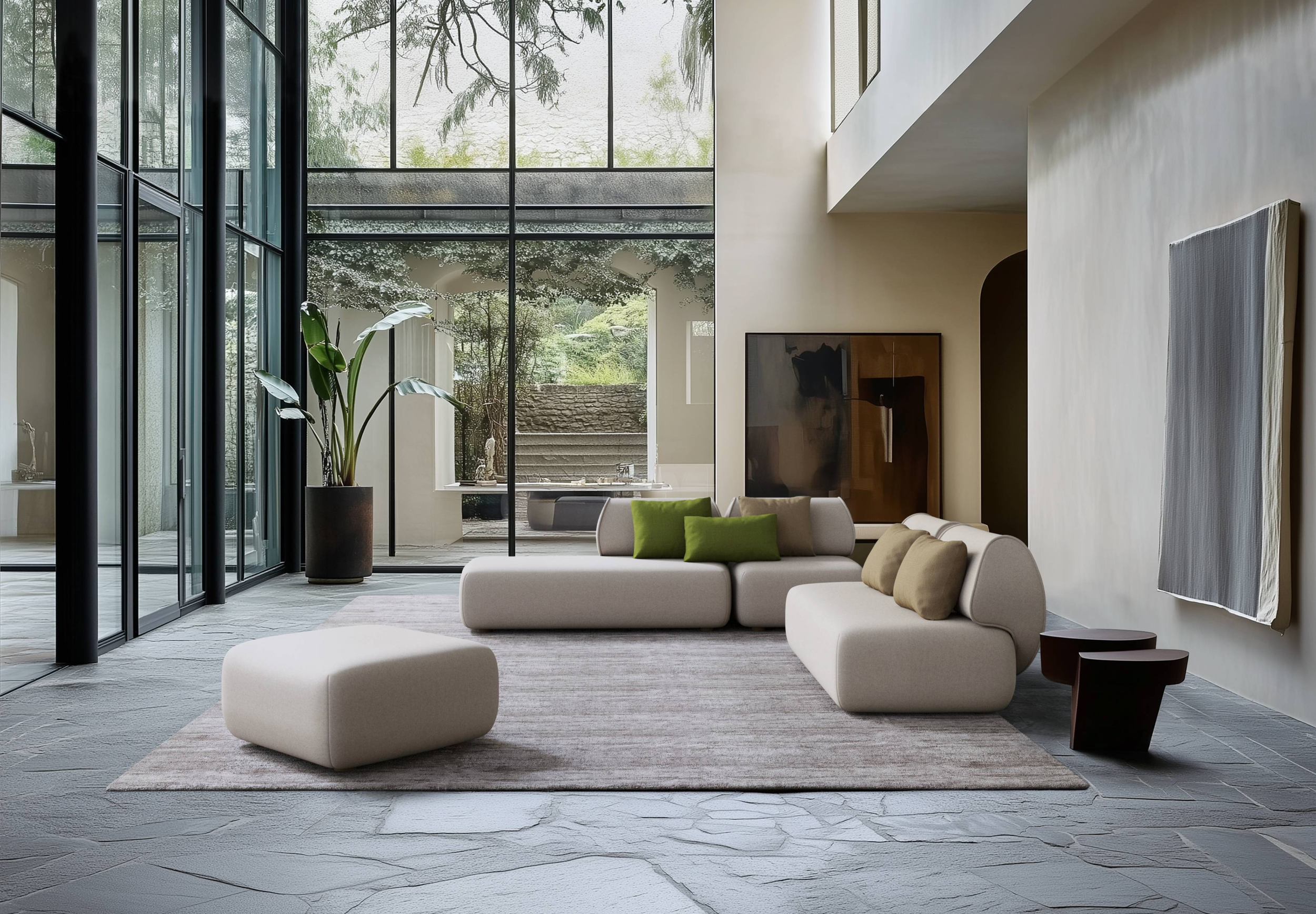
Helen Kontouris | Petra Collection
How are you using your work to implement change and create positive impact?
Through my work, I'm interested in creating furniture and objects that supports longevity, both materially and emotionally. That means designing pieces that are not overly trend-driven, that can live across different interior settings, and that feel considered enough to be kept.
I'm also focused on local manufacturing, reducing unnecessary complexity where possible, and developing collections that can be repaired, reconfigured or extended, rather than replaces. For me, sustainability is not only about what something is made from. It is also about whether it earns its place in people's lives over time.
For me, sustainability is not only about what something is made from. It is also about whether it earns its place in people's lives over time.
Why is learning important and what is the best learning experience you ever had?
Learning keeps the work alive. It stops you from repeating yourself and keeps you open to better ways of seeing, making and thinking.
Some of my most valuable learning experiences have come through working with manufacturers and makers. There is a kind of intelligence in the making process that cannot be fully understood from drawings alone. You learn where an idea holds, where it needs to soften, and where the material is asking for a more considered response.
Petra responds to the human need for softness, shelter, belonging, and pause, while still maintaining a sculptural presence.
What are the humanistic qualities that underpin Petra's form, function, and aesthetic?
Petra, to me, embodies comfort, connection, and emotional ease. The collection responds to the human need for softness, shelter, belonging, and pause, while still maintaining a sculptural presence.
Its rounded forms invite the body in, while the proportions allow it to work across both intimate and expansive interiors. In public, educational, workplace, and civic settings, this becomes especially important. People often move through these spaces with purpose, pressure, or transition, so furniture has the opportunity to soften the experience and create small moments of calm, orientation, and connection.
I wanted Petra to feel like something people could live with, return to, and gather around over time. Not only because it is functional, but also because it contributes to the feeling of a room and the way people behave within it.
Can you highlight three pieces within the KFive collection that you admire?
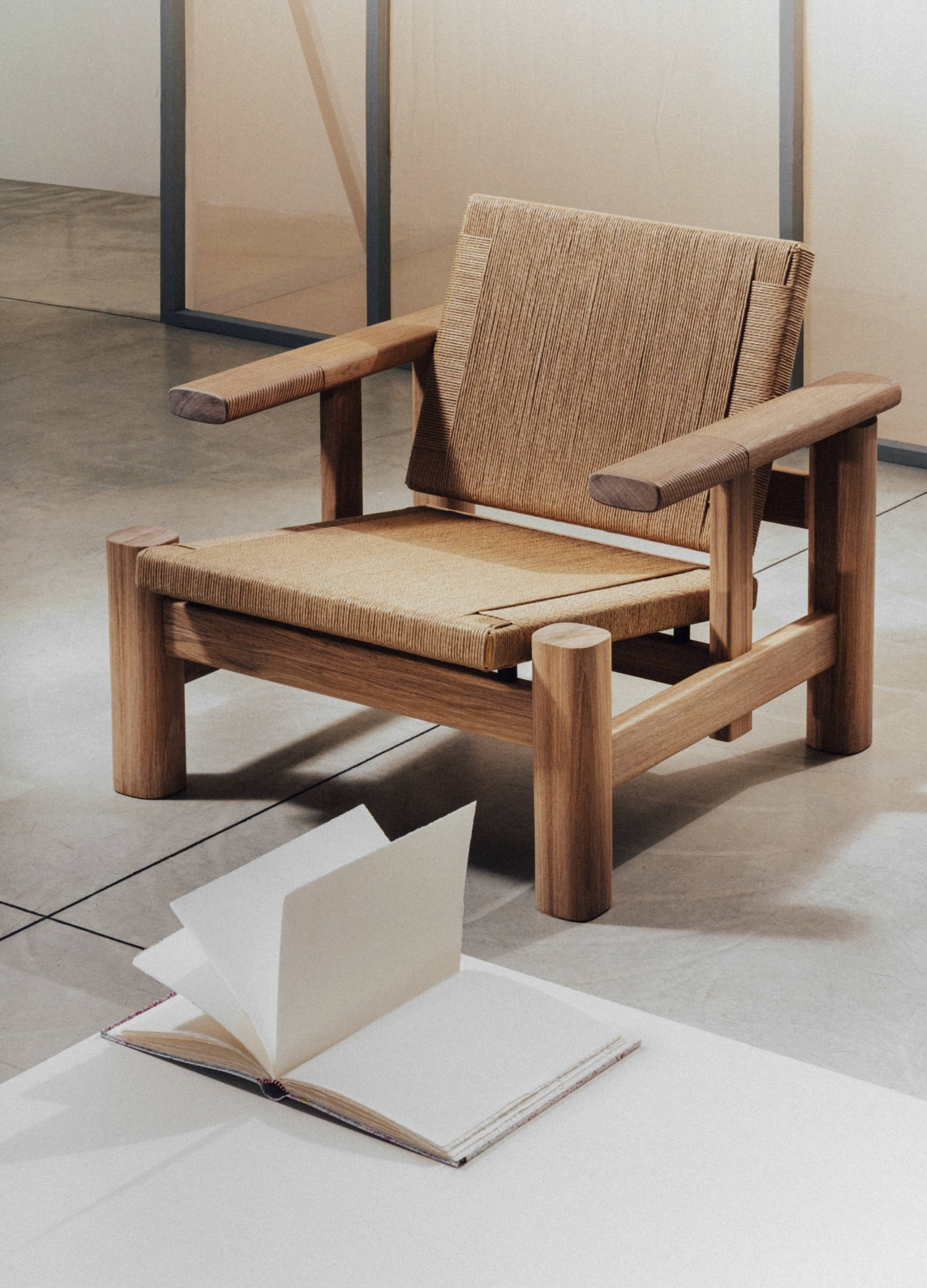
I admire Zanat for the way it keeps handcraft visibly present in contemporary furniture. There is a beautiful tactility in the carved timber surfaces, where you can feel the time, skill and human craft behind each piece. I'm drawn to work that carries that kind of material honesty, where the hand of the maker remains part of the finished object.
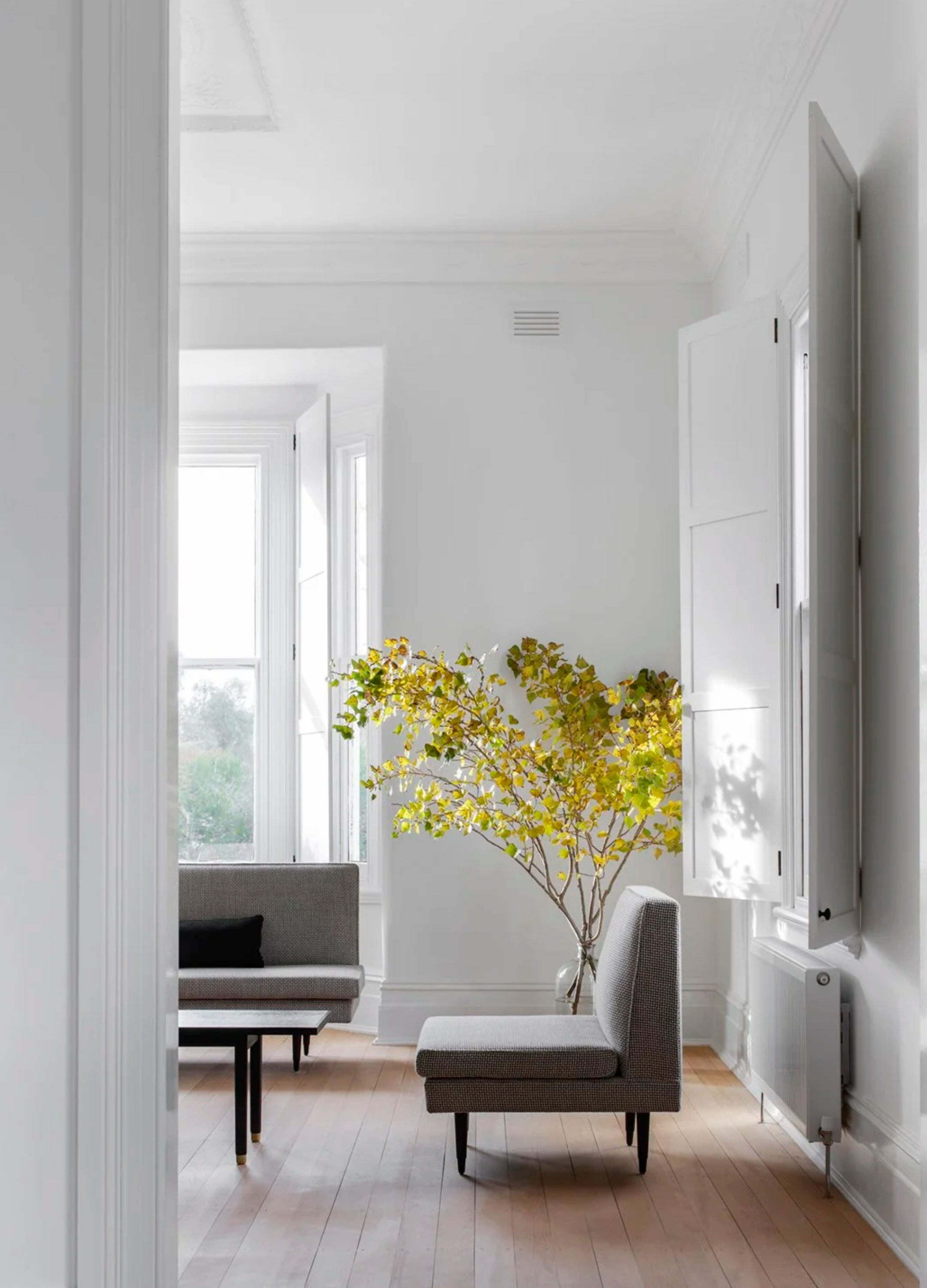
I also admire the Boyd Collection for its connection to Australian design history.
There is something very meaningful about bringing Robin Boyd's furniture into a contemporary context through local manufacture, faithful detailing, and enduring materiality. It reflects a respect for design legacy without making it feel distant or frozen in time.
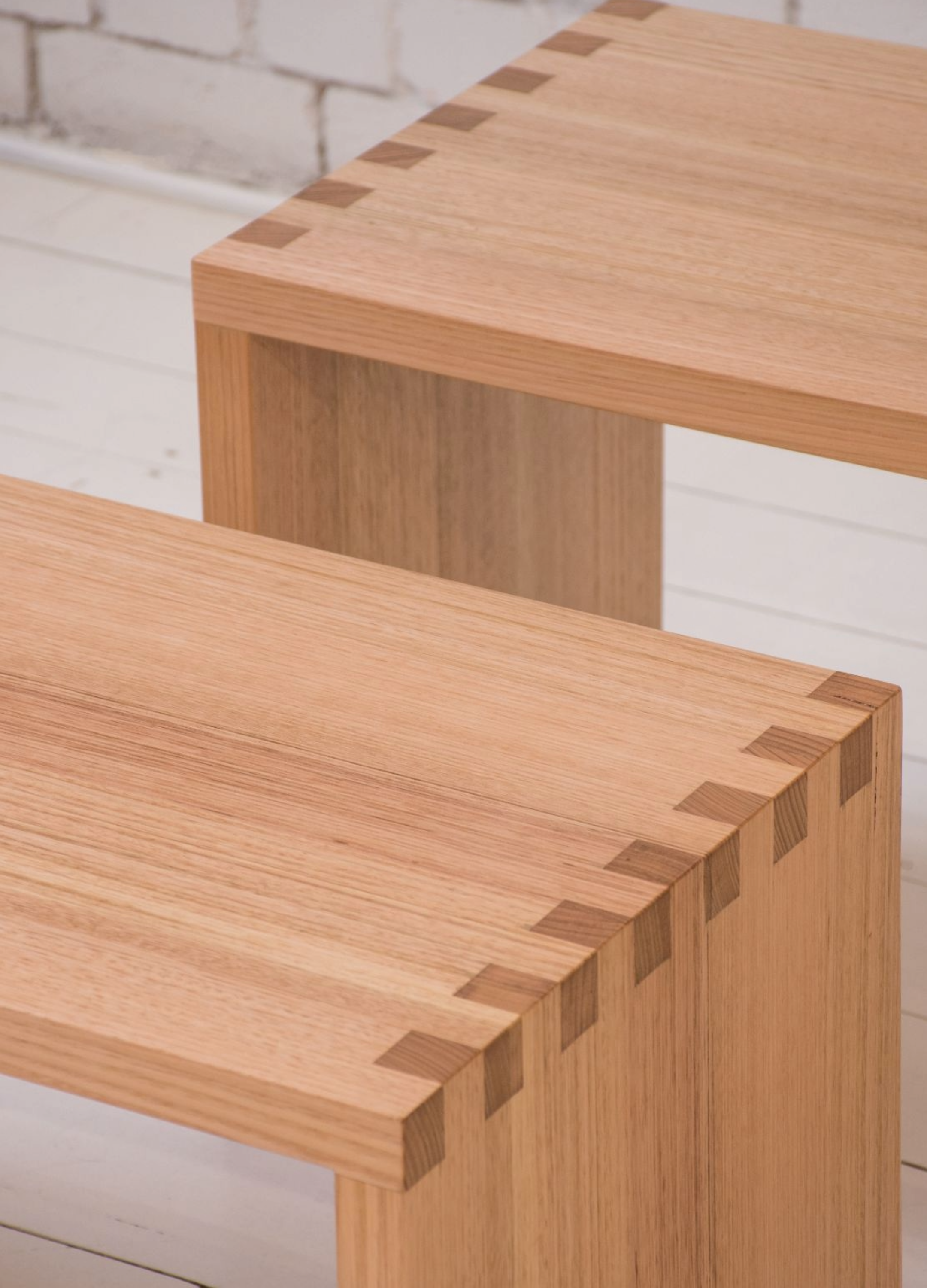
The third is the Grounds Collection, because it has a calm, architectural quality and works with natural materials in a way that feels warm and enduring. I'm drawn to pieces that enhance a room without demanding too much from it, and Grounds has that kind of quality.